
- USB-IF device class drivers. Windows provides in-box device class drivers for many USB-IF approved device classes, audio, mass storage, and so on. USB generic function driver–WinUSB. Windows provides Winusb.sys that can be loaded as a function driver for a custom device and a function of a composite device. USB generic parent driver for.
- USBPcap is installed at 'C: Program Files USBPcap USBPcapCMD.exe'. That's correct, there is normally only a copy of USBPcapCMD.exe in the extcap folder, but the whole USBPcap consists of several binaries and these are located in this USBPcap's own folder, including the master copy of USBPcapCMD.exe.
Global Nav Open Menu Global Nav Close Menu; Apple; Shopping Bag +.
First of all, you have to uninstall any previously installed version of USBPcap, and install the USBPcap which comes along with Wireshark while installing Wireshark itself. After installation, you may want to check whether USBPcapCMD.exe exists in extcap subdirectory of your C:Program FilesWireshark (or wherever else you may have installed Wireshark if you haven't used the default directory).
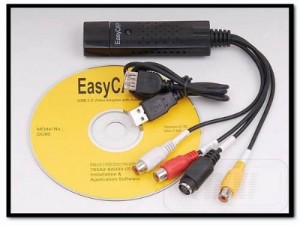
Easycap Driver Download Windows 8.1
If this is the case, you should find as many USBPcapn items in your list of capture interfaces as your machine offers USB hosts (root hubs) once you run Wireshark. By double-clicking such line at the main page of Wireshark (shown if no file is currently open or captured), or by pressing Start after selecting the line in the 'Capture interfaces' window open as Capture -> Options, you start capturing at that root hub.
Usbpcap Driver Download For Windows 8.1
With tshark (but currently not with standalone dumpcap!), these virtual capture interfaces are accessible too, so you can first run tshark.exe -D to get the numbered list of capturing interfaces, and in the next tshark run, use -i N (where N is a number from the list) command line parameter to choose one of the USBPcapn interfaces to actually capture.
Usbpcap Driver Download For Windows Xp
As for the rest (i.e. for other tasks than starting the capture), follow the recommendations at the home page of the USBPcap project, which tell you
how to identify the hub to which your USB device is connected if necessary (provided that you know the USB ID of that device)
that it is helpful to start capture first and connect the device while the capture is running, because this way you'll capture the enumeration phase so you'll be able to see some endpoint descriptors in the capture, which carry a lot of interesting information about the device.
It is also highly recommended to read the information about USBPcap limitations at its home page, so that you understand what you actually capture and what is impossible to capture without a specialized device.